






Hormone Therapy
Bioidentical Hormone Therapy
Hormones are chemical messengers with an incredibly import role in managing body activities.
As we age, and with some disease conditions, our bodies lose the ability to make hormones as quickly and completely as we need them. That’s where hormone treatment becomes important.
While there are hundreds of hormones, several that are commonly enhanced are:
Estrogen
Testosterone
Progesterone
Thyroid
While it may be common to replace these and other hormones, it is critical to do so with great care and under medical supervision. These are powerful substances, each capable of producing unintended effects.
We are proud to have developed significant expertise in hormone therapy, and we are happy to help you correct any hormone imbalances you may have.
We offer hormone replacement in Arizona by multiple techniques, including pellet implanation.

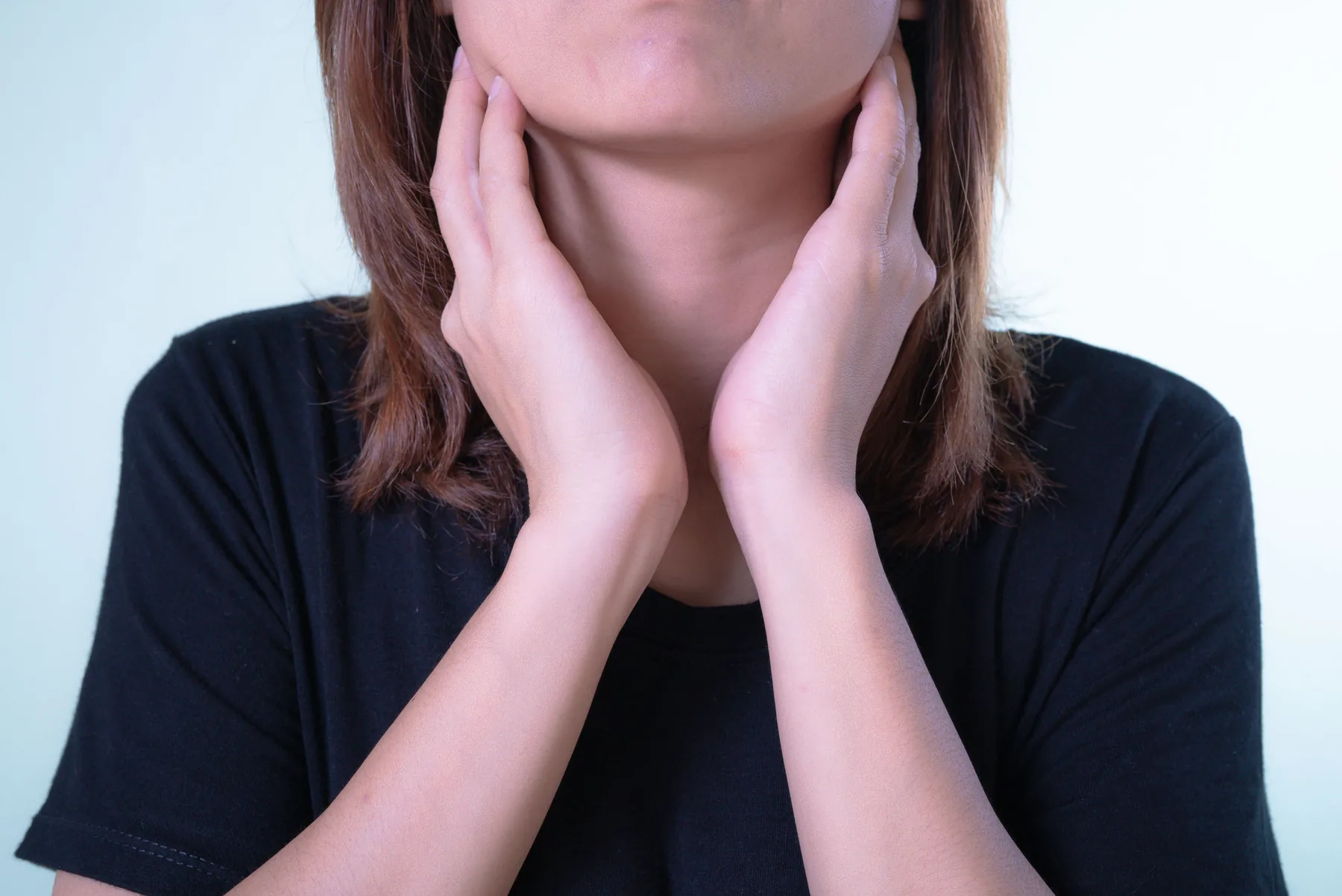
Thyroid
The thyroid gland, located in the front of the neck just below the Adam’s apple, takes iodine from the diet and makes thyroid hormones. Thyroid hormone affects a person’s physical energy, temperature, weight, and mood.
There are several forms of thyroid hormone that can help. These have imposing, if not intimidating names: Triiodothyronine and Tetraiodothyronoine, also called T3 and T4, respectively,
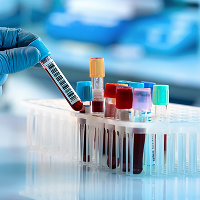
These hormones are triggered by a complex mechanism in the brain. Determining the best medication to treat a thyroid imbalance is based on a review of certain blood labs.
Let us help you help yourself.
Estrogen and Progesterone Replacement
Estrogen and Progesterone hormones are produced in greatly reduced volumes after menopause. Replacement of these hormones can go a long way to helping you feel like your normal self.
However, not all replacement hormones are the same as the naturally-occurring hormones. We use bioidentical hormones for the best effect.
Progesterone helps protect the uterus when estrogen is supplemented, so this is always provided when the uterus is intact. Even after a hysterectomy, progesterone helps provide a calming effect. ONLY micronized progesterone can be safely used to supplement low levels.
We must address the concerns of the increased risk of breast cancer from estrogen replacement. In a few words, it’s not true.
Many years ago, a very poorly designed and executed study concluded there is a risk; however, better studies show that is not the case. Some forms of estrogen are actually protective against breast cancer.
In fact, data now lead to the conclusion that poorly formulated progesterone is more contributory than estrogen to the risk of breast cancer.


Cortisol: The Stress Hormone
Cortisol, frequently called the “stress hormone” is produced by a very small gland located at the tip-top of the kidney.
Normally, this hormone is at its peak first thing in the morning, and gradually diminishes through the day, reaching a low point around the end of your evening. While you sleep, it is replenished in time to help wake you up in the morning.
When a person experiences stressful conditions, the normal pattern of dimenishment and replenishment is altered. Sometimes, the cortisol stays elevated. You cannot function optimally when this happens. Other times, it stays diminished. When this happens, you feel like you have “hit the wall at 200 miles per hour.”
The most accurate way to test your cortisol levels is with saliva. Specimens are collected four times in one day – we’ll show you how.
Hormone Pellets
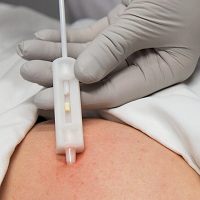
Hormone Replacement Therapy in Arizona has been used safely and successfully for nearly a century. It is well-known and accepted that hormones – which are cell signaling agents – are absolutely critical in normal body function. These hormones may be synthetic (manufactured by a pharmaceutical company) or bioidentical (derived from natural sources, such that the molecule is the same as the hormone produced in the body). Synthetic hormones are sometimes associated with adverse effects. For example, synthetic estrogen made from the urine of a pregnant mare, is almost 20 times stronger than naturally occurring estrogen. The adverse health effects of synthetic estrogen, including an increased risk of breast cancer, are well documented. Bioidentical hormones are not associated with adverse effects. Hormone pellets, which were first used in 1939, are bioidentical forms of a hormone. Because these are naturally-occurring, pharmaceutical companies cannot obtain a patent which makes them unprofitable, so they are very rarely made by these companies. Pellets are about the same size as a grain of rice, and are implanted under the skin in a fatty area such as the hip. The implant procedure is fast (less than 15 minutes) and generally painless. Implanted pellets dissolve slowly, providing a steady rate of hormone, just like the body. The two most commonly implanted hormones are Estrogen and Testosterone. Progesterone may be implanted but if a woman has an intact uterus, it is best to take progesterone by mouth – always as micronized progesterone. Ladies, please never, never, never take synthetic estrogen or synthetic progesterone.
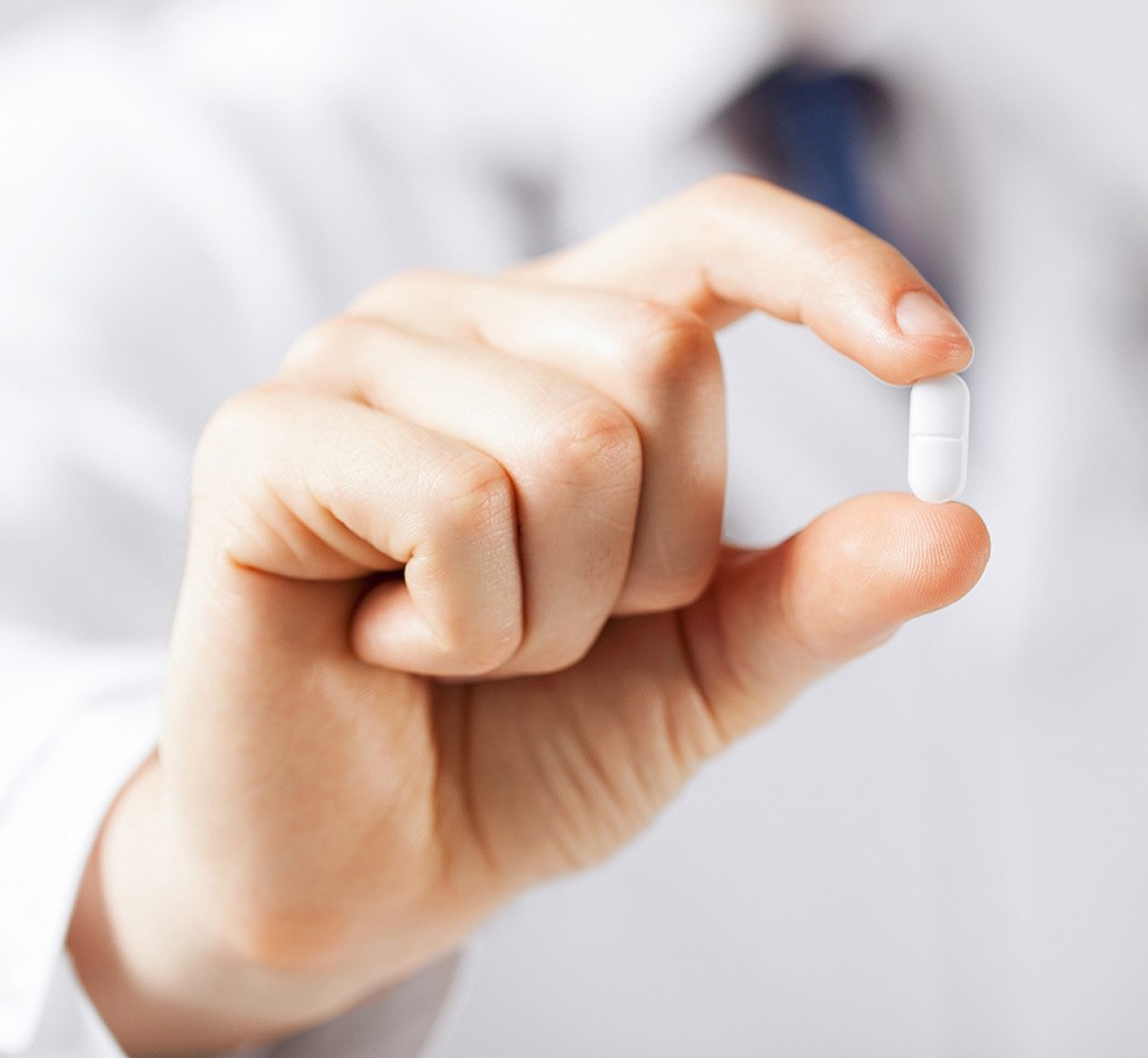
What Form of Hormone is Best for You?
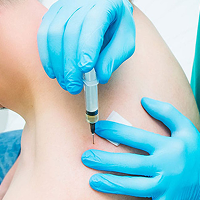
The best form of hormone is whatever form you will use. Some hormones can be taken by mouth, such as progesterone. Other forms are rendered inactive if taken by mouth. In these cases, either an injection, topical, or pellet implant may be best.
We are happy to tell you the pros and cons of each form and let you make the best decision.


Testosterone Replacement Therapy
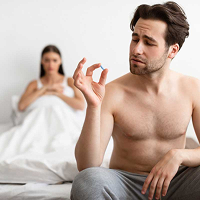
Men of all ages can and do experience difficulties with intimacy. As men age, they may produce less testosterone which results in a loss of libido, energy, and stamina. This is the man who feels he’s “lost his mojo.”
The fact is, men just do not think clearly if their testosterone level is too low. Some studies say chronic low testosterone contributes to dementia.
These days, it seems like everyone is jumping on the testosterone bandwagon – but careful medical supervision is essential.
This is why we test hormone levels and create a plan for each man, individually.
If a man takes too much testosterone, the adverse effects may include episodes of rage; acne on the face, chest, or back; loss of hair; and loss of testicular size and function.