





Understanding Skin Lesion Removal and Your Treatment Options
At Arizona Naturopathic Medicine, patients seeking information about skin lesion removal can begin by understanding the available treatment approaches, the importance of proper evaluation, and the steps involved in recovery. The goal is to help readers make informed decisions and recognize when professional assessment is necessary.
What Is Skin Lesion Removal and Why Might It Be Necessary?
Skin lesion removal is a procedure in which a qualified healthcare professional removes a growth, spot, or abnormal area of skin for medical, diagnostic, or cosmetic reasons. The term skin lesion is broad and can describe many different conditions, from benign skin tags to suspicious growths that require further investigation.
Not every lesion needs to be removed. A healthcare professional may recommend observation when a lesion appears harmless and causes no discomfort. Removal may be appropriate when the lesion becomes irritated, bleeds, catches on clothing, changes in appearance, interferes with daily activities, or raises concern during an examination.
Medical Reasons for Skin Lesion Removal
Medical removal may be considered when a growth causes repeated irritation, discomfort, bleeding, or other symptoms. Lesions located around areas frequently exposed to friction, such as the neck, underarms, waistline, or areas touched by shaving, may become bothersome over time.
When a lesion appears suspicious, the priority is obtaining an accurate diagnosis rather than choosing the fastest or least expensive removal method. Certain destructive treatments can damage tissue and make it harder to establish a diagnosis if the lesion has not been evaluated appropriately.
Cosmetic Reasons for Removing Skin Lesions
Some people seek removal because a benign lesion affects their comfort or confidence. A raised skin tag, a visible benign growth, or another noncancerous lesion may be noticeable on the face, neck, or other exposed areas.
Cosmetic concerns are valid, but they should be addressed only after the lesion has been properly identified. A spot that resembles a harmless growth may have a different underlying cause, so self-diagnosis is not a reliable basis for selecting treatment.
A qualified professional can explain whether removal is appropriate, what method may be suitable, whether a scar is possible, and what results can reasonably be expected.
Common Types of Skin Lesions That May Require Removal
Skin lesions vary in appearance, cause, and medical significance. Understanding the differences between common growths can help you know when to seek an evaluation. However, appearance alone cannot always establish whether a lesion is harmless.
1. Skin Tags: Small Growths That Can Become Irritating
Skin tags are soft, usually harmless growths that often appear in areas where skin rubs against skin or clothing. Common locations include the neck, armpits, eyelids, and groin. They may be flesh-colored or slightly darker than the surrounding skin.
Although skin tags generally do not require treatment, removal may be considered if they become irritated, catch on jewelry, or cause discomfort during shaving. A healthcare professional can determine whether a growth is actually a skin tag before recommending an appropriate removal method.
It is important not to cut, tie off, or burn a skin tag at home. A growth that resembles a skin tag could have a different cause, and attempting removal without proper equipment may lead to bleeding, infection, or scarring.
2. Moles: Knowing When a Mole Needs Medical Attention
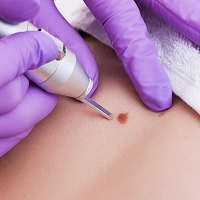
Moles are common skin growths that develop when pigment-producing cells cluster together. They can be flat or raised, light brown or dark brown, and may appear anywhere on the body.
Most moles are benign and do not require removal. However, a mole that changes in size, shape, color, or texture should be evaluated by a qualified healthcare professional. New moles in adulthood may also warrant assessment, particularly if they look different from a person’s other moles.
3. Seborrheic Keratoses: Common Benign Skin Growths
Seborrheic keratoses are noncancerous growths that often develop as adults age. They may look waxy, rough, scaly, or as though they are sitting on top of the skin. Their color can range from tan to brown or nearly black.
These growths can appear on the face, chest, back, and other areas of the body. Although they are usually harmless, they may become irritated by clothing or create cosmetic concerns.
Removal may be considered when a lesion causes discomfort or interferes with daily activities. However, a dark or unusual growth should not automatically be assumed to be a seborrheic keratosis. A clinician should assess uncertain lesions before any destructive procedure is performed.
4. Actinic Keratoses: Rough Spots Associated With Sun Exposure
Actinic keratoses are rough, scaly patches that develop on skin damaged by ultraviolet radiation. They frequently occur on sun-exposed areas, including the face, scalp, ears, forearms, and backs of the hands.
These lesions are considered precancerous because some can progress to squamous cell carcinoma. A healthcare professional can assess the area and determine whether treatment, closer monitoring, or a biopsy is appropriate.
People living in Arizona should pay attention to persistent rough patches, particularly in areas that receive regular sunlight. A spot that continues to return, becomes tender, grows, or bleeds deserves medical evaluation.
Treatment options vary according to the number, location, and characteristics of the lesions. They may include freezing individual spots, prescription topical medications, or other clinician-directed procedures. The appropriate option depends on the diagnosis and the patient’s individual circumstances.
- Cysts and Other Raised Skin Bumps
Some raised skin lesions are cysts, which are enclosed structures that may contain fluid, keratin, or other material. They can develop beneath the skin and sometimes become swollen, tender, or inflamed.
A cyst does not always need removal. If it causes repeated discomfort, becomes infected, or interferes with normal activities, a healthcare professional may recommend further assessment or a procedure.
Other bumps may be caused by warts, benign tumors, inflammatory conditions, or infections. Because several conditions can look similar, treatment should be based on a proper diagnosis rather than the appearance of the bump alone.
Why Arizona Residents Should Pay Attention to Skin Health
Arizona’s sunny climate provides many opportunities for outdoor activities, from hiking and cycling to gardening and recreational sports. However, spending time outdoors also makes sun protection and skin awareness important parts of preventive healthcare.
Ultraviolet radiation can damage skin cells over time. Cumulative exposure and intense intermittent exposure can contribute to premature skin aging and increase the risk of skin cancer. Sun-related skin damage may become visible years after the exposure occurred.
Understanding the Effects of UV Exposure
UV radiation can affect the skin even when temperatures are comfortable or the sky is partly cloudy. Outdoor workers, athletes, hikers, and people who spend long periods outside may experience repeated exposure without realizing how much sunlight reaches their skin.
Common signs of sun damage include uneven pigmentation, rough patches, changes in skin texture, and new or changing spots. These changes are not necessarily cancerous, but persistent or unusual lesions should be assessed.
A professional skin examination can help distinguish ordinary skin changes from lesions that need additional investigation. People with a history of skin cancer, numerous moles, significant sun exposure, or other risk factors may need a personalized monitoring plan.
Sun Protection as Part of Everyday Skin Care
Preventing further sun damage is an important complement to appropriate lesion evaluation and treatment. Helpful habits include:
- Apply a broad-spectrum sunscreen with SPF 30 or higher to exposed skin.
- Reapply sunscreen according to the product instructions, particularly after swimming, sweating, or prolonged outdoor activity.
- Wear protective clothing, a wide-brimmed hat, and sunglasses.
- Seek shade when possible, especially during periods of intense sunlight.
- Avoid indoor tanning devices.
- Check your skin periodically for new or changing spots.
Sun protection does not eliminate the need to examine existing lesions. A suspicious spot should be evaluated even if you have recently improved your sun protection routine.
What Are the Main Skin Lesion Removal Treatment Options?
The most suitable skin lesion removal method depends on the type of growth, its depth, its location, and whether tissue needs to be examined for diagnostic purposes. A procedure appropriate for a harmless skin tag may not be suitable for a suspicious mole or a potentially precancerous lesion.
A qualified healthcare professional should assess the lesion before selecting a treatment.
1. Surgical Excision for Selected Skin Lesions
Surgical excision involves cutting out a lesion using sterile medical instruments. Local anesthesia is generally used to numb the treatment area. Depending on the lesion’s size and depth, the wound may require stitches.
Excision may be appropriate when a lesion needs complete removal or when a larger tissue sample is necessary for examination. The removed tissue can be sent to a laboratory for microscopic analysis when indicated.
The potential benefits include removing the targeted lesion and obtaining tissue for diagnosis. Possible risks include bleeding, infection, scarring, and changes in skin pigmentation.
2. Shave Removal for Suitable Raised Lesions
Shave removal involves using a sterile surgical blade to remove selected lesions at or near the surface of the skin. It may be considered for certain raised growths after a clinician determines that the method is appropriate.
The technique, depth, and need for laboratory analysis depend on the lesion being treated. Shave removal is not suitable for every mole or suspicious growth. In particular, a lesion concerning melanoma requires an appropriate diagnostic approach selected by a qualified clinician.
Although shave procedures may leave a relatively shallow wound, scarring, pigment changes, and regrowth can still occur. The likely outcome depends on the lesion and individual healing characteristics.
3. Cryotherapy for Certain Skin Growths
Cryotherapy uses extreme cold, often from liquid nitrogen, to destroy selected abnormal skin tissue. It is commonly used for appropriate benign lesions and certain precancerous growths, including actinic keratoses.
The treated area may sting, swell, blister, or develop a temporary crust before healing. Some lesions may require additional treatment, and pigmentation changes can occur.
Cryotherapy destroys the treated tissue, so it is generally not the first choice for a lesion that needs an intact tissue sample for diagnosis. A professional assessment is important before treatment.
4. Curettage and Electrosurgery for Selected Lesions
Curettage involves scraping away certain lesions with a specialized medical instrument. Electrosurgery uses electrical energy to destroy or control tissue and bleeding. These techniques may be used individually or together for specific diagnoses.
They are not appropriate for every type of skin lesion. The clinician must consider the suspected diagnosis, the depth of the growth, its location, and whether a biopsy is necessary.
Potential side effects include scarring, infection, pigment changes, and incomplete removal. The procedure should be selected according to medical need rather than convenience alone.
5. Biopsy When a Diagnosis Is Uncertain
A skin biopsy removes part or all of a lesion so that a laboratory can examine the tissue under a microscope. It may be recommended when a lesion has unusual features or when the diagnosis cannot be established through visual examination alone.
Depending on the concern, a clinician may use a shave, punch, or excisional biopsy. Local anesthesia is often used, and some procedures require stitches.
A biopsy is especially important when skin cancer is suspected because visual inspection alone cannot definitively confirm or exclude every type of skin cancer. The pathology report helps determine whether additional treatment or follow-up is necessary.
What to Expect During a Skin Lesion Removal Appointment in Arizona
Understanding the treatment process can help you feel more prepared for an appointment. The exact steps vary depending on the healthcare professional, the suspected diagnosis, and the procedure being considered.
Step 1: Initial Consultation and Skin Assessment
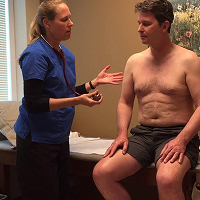
The first step is a consultation to discuss your concerns and evaluate the lesion. Your healthcare professional may ask when you first noticed the growth, whether it has changed, and whether it causes itching, bleeding, pain, or irritation.
You may also be asked about your medical history, previous skin conditions, medications, allergies, and family history of skin cancer. Bring a list of medications and supplements, including any blood-thinning medications, so the clinician can assess potential risks.
If the lesion looks suspicious, a dermatologist or another appropriately qualified clinician may recommend a biopsy or referral before cosmetic removal is considered.
Step 2: Choosing an Appropriate Treatment Plan
Once the lesion has been assessed, your clinician can explain the available options, expected benefits, potential risks, and possible alternatives.
For some benign lesions, observation may be sufficient. Others may benefit from removal because of irritation or discomfort. Lesions with concerning features may require diagnostic testing or specialized treatment.
Before proceeding, ask whether the tissue will be sent to a laboratory, whether stitches may be needed, what kind of scar is possible, and when you should expect results.
Step 3: Performing the Procedure
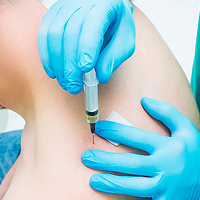
Many minor skin procedures can be performed in an outpatient setting. Depending on the method, the treatment area may be cleaned and numbed with local anesthesia before the lesion is removed or treated.
You may experience brief stinging from the anesthetic injection, pressure during the procedure, or mild soreness afterward. The duration varies according to the size, number, and location of the lesions.
After treatment, the area may be covered with a dressing, and your clinician will provide instructions for wound care and follow-up.
Skin Lesion Removal Recovery: Aftercare Tips for Healthy Healing
Recovery depends on the treatment method, lesion size, location, and your individual healing process. A small superficial procedure may heal differently from a deeper excision that requires stitches.
Following the instructions provided by your healthcare professional can help reduce complications and support healing.
Keep the Treated Area Clean and Protected
Follow your clinician’s instructions for cleaning the wound, applying an appropriate ointment, and changing the dressing. For many minor skin biopsies, clinicians recommend keeping the wound moist with petroleum jelly and covering it with a clean, non-stick dressing.
Avoid picking at scabs or removing healing tissue. Doing so may delay healing, increase the risk of infection, or worsen scarring.
Do not apply harsh chemicals, unapproved remedies, or products not recommended for your particular wound.
Protect Your Skin From Arizona’s Sun
Sun protection is particularly important while the treated area heals. Excessive sunlight can irritate healing skin and contribute to discoloration or more noticeable scars.
Protect the wound with clothing or a dressing as directed. Once the skin has healed sufficiently, use broad-spectrum sunscreen with SPF 30 or higher and continue taking precautions during outdoor activities.
Ask your clinician when it is appropriate to apply sunscreen directly to the treated area, especially if you have stitches or an open wound.
Recognize Signs of Infection or Other Complications
Some tenderness, mild swelling, or limited redness may occur after a skin procedure. However, worsening symptoms should not be ignored.
Contact your healthcare professional if you experience increasing pain, spreading redness, warmth, pus-like drainage, or fever. Seek prompt medical advice if bleeding does not stop after applying firm, continuous pressure as instructed.
If stitches were used, attend the recommended follow-up appointment. You should also follow up to receive biopsy results and understand whether any additional treatment is necessary.
How to Choose the Right Provider for Skin Lesion Removal in Arizona
Choosing a provider is an important part of making an informed healthcare decision. Not every lesion requires the same level of expertise, and not every removal method is suitable for every skin condition.
Look for Appropriate Training and Clinical Experience
Choose a healthcare professional whose qualifications and scope of practice match your needs. If a lesion may be cancerous, a dermatologist or another clinician with appropriate expertise in skin cancer evaluation should assess it.
Ask about the provider’s experience with the specific type of lesion, the diagnostic process, and the circumstances in which a referral may be necessary.
Prioritize Accurate Diagnosis Over Cosmetic Results
A smooth cosmetic result may be important to you, but accurate diagnosis should come first when a lesion has concerning characteristics.
Ask whether the lesion requires a biopsy and whether the proposed procedure will allow the tissue to be examined. Avoid treatments that destroy a suspicious lesion before an appropriate diagnostic assessment has been completed.
Understand the Risks, Costs, and Follow-Up Process
Before agreeing to a procedure, ask about the total cost, possible insurance coverage, aftercare requirements, scarring, and the possibility of recurrence. Costs can vary depending on the procedure, location, provider, laboratory testing, and insurance arrangements.
You should also understand who will communicate biopsy results and how follow-up care will be arranged.
At Arizona Naturopathic Medicine, prospective patients can ask about the available services, provider qualifications, and whether their particular concern is appropriate for evaluation or requires referral. Confirm the practice’s current scope of services before scheduling a procedure.
Take the Next Step Toward Better Skin Health With Arizona Naturopathic Medicine
A new or changing skin lesion can raise questions about your health, appearance, and treatment options. Understanding the different types of lesions, available removal methods, and proper aftercare can help you make more informed decisions about your skin.
Arizona Naturopathic Medicine encourages patients to seek individualized guidance for their skin health concerns. If you are considering skin lesion removal, contact the practice to learn about its current services, provider qualifications, and whether an evaluation or specialist referral is appropriate for your needs.