








What Are the Signs That You Need Hormone Replacement Therapy?
Hormones play an essential role in maintaining the body’s overall health and well-being. They regulate numerous bodily functions, including metabolism, energy levels, sleep, mood, reproductive health, bone strength, and sexual function. When hormone levels become imbalanced or decline with age, these changes can affect how you feel physically, mentally, and emotionally. For some individuals, these symptoms may become significant enough to interfere with everyday activities and quality of life.
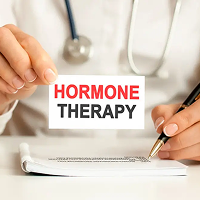
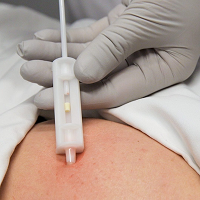
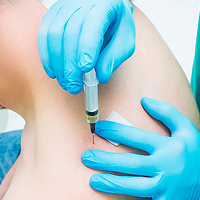
This is where Hormone Replacement Therapy (HRT) may become a consideration. Hormone replacement therapy is a medical treatment designed to supplement specific hormones when the body does not produce enough of them or when a diagnosed hormonal deficiency requires treatment. Depending on an individual’s health needs, treatment may involve estrogen, progesterone, testosterone, or other hormones.
Recognizing potential warning signs is an important first step toward understanding your hormonal health. At Arizona Naturopathic Medicine, understanding individual health concerns and exploring appropriate, evidence-informed treatment options are important parts of a personalized approach to wellness.
Understanding Hormone Replacement Therapy and How It Works
Hormone Replacement Therapy is a treatment that helps restore or supplement hormones that are present at insufficient levels or have declined due to specific medical conditions or life stages. Hormones act as chemical messengers, carrying instructions between different organs and tissues. Even relatively small changes in hormone levels can influence multiple body systems.
For women, HRT is most commonly associated with the hormonal changes that occur during perimenopause and menopause. During this transition, the ovaries gradually produce less estrogen and progesterone. These changes can contribute to hot flashes, night sweats, vaginal dryness, changes in menstrual cycles, and other symptoms.
For men, hormone replacement may involve testosterone therapy when a medical evaluation confirms testosterone deficiency, also called male hypogonadism. This condition can affect sexual health, muscle mass, energy, mood, and bone health.
Treatment is not identical for everyone. The appropriate hormone, dosage, delivery method, and duration depend on the individual’s symptoms, medical history, examination, and treatment goals.
It is important to understand that hormone replacement therapy is not a general anti-aging treatment. Its purpose is to address specific medical needs and improve symptoms when the potential benefits outweigh the risks.
Common Signs That You May Need Hormone Replacement Therapy
Hormonal changes can produce several physical and emotional symptoms. Some develop gradually, while others may appear more suddenly. Experiencing one or more of these symptoms does not automatically mean you need HRT. However, persistent symptoms that affect your daily life may indicate that a professional hormone evaluation is worthwhile.
1. Frequent Hot Flashes and Sudden Feelings of Heat
Frequent hot flashes are among the most recognizable symptoms associated with declining estrogen levels during perimenopause and menopause.
A hot flash is a sudden sensation of warmth that commonly affects the face, neck, and chest. It may be accompanied by sweating, skin redness, a rapid heartbeat, or a feeling of discomfort. Some episodes last only a few minutes, while others can feel more intense or disruptive.
Hot flashes can happen during the day or at night. Their frequency and severity vary considerably from person to person. Some women experience occasional episodes, while others experience them multiple times throughout the day.
These symptoms can interfere with work, social activities, exercise, and sleep. If hot flashes are becoming difficult to manage, discussing treatment options with a qualified healthcare professional may be helpful.
Systemic menopausal hormone therapy is considered an effective treatment for bothersome hot flashes when medically appropriate. Nonhormonal treatments are also available for people who cannot or prefer not to use hormones.
2. Night Sweats That Frequently Interrupt Your Sleep
Night sweats are another common symptom associated with hormonal changes, particularly during menopause.
Unlike ordinary sweating caused by a warm bedroom or heavy bedding, night sweats can involve sudden and excessive sweating even when the surrounding temperature is comfortable. Some people wake up with damp clothing or bedding and struggle to return to sleep.
Repeated sleep interruptions can contribute to daytime tiredness, irritability, difficulty concentrating, and reduced productivity.
Although declining estrogen can contribute to night sweats, other conditions can also cause excessive nighttime sweating. These include infections, medication side effects, thyroid disorders, and certain other medical conditions.
For people experiencing menopause-related night sweats, hormone therapy may be an effective treatment option after an appropriate medical assessment.
3. Persistent Fatigue and Low Energy Throughout the Day
Feeling tired occasionally is normal, especially after physical activity, stressful situations, or insufficient sleep. However, persistent fatigue that continues despite adequate rest deserves attention.
Hormonal changes may contribute to low energy, particularly when symptoms such as night sweats and sleep disturbances repeatedly interrupt restorative sleep.
Some individuals describe feeling physically exhausted, mentally drained, or less motivated to complete everyday activities. Even relatively simple tasks may begin to feel more demanding.
For men, reduced energy can also occur alongside testosterone deficiency, although fatigue alone is not enough to establish that diagnosis.
It is important to understand that fatigue has many possible causes. Iron deficiency, anemia, thyroid problems, diabetes, sleep apnea, depression, medication effects, and chronic stress can all contribute.
A healthcare professional can help identify whether hormonal changes are involved and determine whether further testing or treatment is appropriate.
4. Unexplained Weight Changes and Increased Abdominal Fat
Changes in body weight and fat distribution can become more noticeable during different stages of hormonal transition.
Some women experience an increase in abdominal fat during perimenopause and menopause. Changes in estrogen levels, aging, sleep quality, physical activity, and muscle mass can all contribute to shifts in body composition.
Men with clinically low testosterone may also experience changes in body composition, including reduced muscle mass and increased body fat.
However, weight gain should not automatically be attributed to a hormone imbalance. Dietary habits, activity levels, metabolic conditions, medications, sleep patterns, and age can influence weight.
If you notice persistent weight changes despite maintaining relatively consistent habits, discuss them with a healthcare professional.
The goal should be to identify the underlying factors rather than automatically starting hormone therapy as a weight-management strategy. HRT is not a general weight-loss treatment.
5. Mood Swings, Anxiety, and Increased Irritability
Hormones interact with several systems involved in emotional regulation. Changes during perimenopause and menopause may coincide with increased irritability, mood fluctuations, anxiety, and changes in emotional well-being.
Some women notice that they become more sensitive to everyday stress, feel unusually frustrated, or experience emotional changes that are difficult to explain.
These symptoms may occur alongside hot flashes, sleep disturbances, and other menopausal changes, making daily life more challenging.
Men with confirmed testosterone deficiency may also experience depressed mood, irritability, and difficulty concentrating.
Nevertheless, emotional symptoms are complex. Anxiety and depression can develop independently of hormonal changes and should receive appropriate attention.
6. Reduced Sexual Desire and Changes in Libido
A noticeable decline in sexual desire can sometimes be associated with hormonal changes.
For women, changes in estrogen levels during menopause may contribute to vaginal dryness, discomfort during sexual activity, and other symptoms that indirectly affect sexual interest.
For men, consistently low testosterone levels can contribute to reduced libido. However, sexual desire is influenced by more than testosterone alone.
Stress, relationship concerns, depression, chronic illness, sleep problems, medications, and other health conditions can all affect sexual function.
If a reduced sex drive is persistent or causing concern, it is worth discussing with a qualified healthcare professional.
The evaluation should consider the full picture rather than relying on a single hormone test. Treatment options depend on the underlying cause and may or may not involve hormone replacement.
7. Difficulty Sleeping and Frequent Insomnia
Sleep disturbances are frequently reported during perimenopause and menopause.
Some individuals struggle to fall asleep, while others wake up several times throughout the night. Hormonal fluctuations may contribute to these problems, particularly when hot flashes and night sweats are involved.
Poor sleep can affect several aspects of daily functioning, including:
- Concentration and memory.
- Emotional stability.
- Physical energy.
- Work performance.
- Motivation and productivity.
Sleep problems may also become more complicated when stress, anxiety, depression, sleep apnea, or other medical conditions are present.
If sleep disturbances develop alongside other menopausal symptoms, a healthcare professional can assess whether hormone-related treatment may help.
Hormone therapy can improve sleep for some women when sleep problems are associated with bothersome hot flashes and night sweats. However, it is not a universal treatment for insomnia.
8. Brain Fog and Difficulty Concentrating
Brain fog is a general term used to describe difficulties with concentration, mental clarity, and memory.
Some women report feeling less mentally sharp during perimenopause and menopause. They may find it harder to remember names, focus on complicated tasks, or maintain concentration for extended periods.
These experiences can be frustrating, particularly for individuals managing demanding professional and personal responsibilities.
Hormonal changes may contribute to cognitive complaints, while sleep disruption, anxiety, stress, and other health conditions can make them more noticeable.
Although some individuals report improvements in their overall well-being after treating menopausal symptoms, hormone replacement therapy should not be considered a proven treatment for preventing dementia or improving memory in otherwise healthy individuals.
Persistent or worsening cognitive difficulties deserve a proper medical assessment to identify possible underlying causes.
9. Loss of Muscle Mass and Reduced Physical Strength
Hormones contribute to maintaining muscle tissue, strength, and physical function.
With aging, people naturally experience changes in muscle mass. In men with confirmed testosterone deficiency, reduced muscle mass and physical strength can be among the associated symptoms.
Some individuals notice that their usual exercise routine becomes more difficult or that maintaining muscle becomes increasingly challenging.
Women can also experience changes in muscle mass and strength during midlife, although these changes are influenced by several factors, including age, activity, nutrition, and hormonal status.
A healthcare professional may recommend an evaluation if muscle weakness is persistent or accompanied by other symptoms of hormonal deficiency.
Treatment should focus on the underlying cause. Resistance exercise, adequate nutrition, and appropriate medical care remain important components of maintaining muscle health.
10. Irregular Menstrual Cycles or Changes in Periods
Changes in menstrual patterns are common during perimenopause, the transition leading to menopause.
You may notice:
- Periods becoming irregular.
- Longer or shorter gaps between periods.
- Changes in menstrual flow.
- Missed periods.
- Changes in the duration of menstruation.
These changes occur as ovarian hormone production becomes less predictable.
Menopause is generally defined as having 12 consecutive months without a menstrual period, provided there is no other medical explanation.
However, not every menstrual change should be assumed to be part of the menopause transition. Very heavy bleeding, bleeding between periods, bleeding after sexual activity, or bleeding after menopause requires medical evaluation.
Signs of Low Testosterone in Men That May Require Hormone Evaluation
Hormone replacement therapy is not limited to women experiencing menopause. Men can also develop hormonal deficiencies that affect physical health, sexual function, and emotional well-being.
Common warning signs include:
Reduced sex drive: A noticeable and persistent decrease in sexual desire may be associated with testosterone deficiency.
Erectile difficulties: Some men experience erectile dysfunction or a reduction in spontaneous erections. However, erectile dysfunction has several possible causes and does not automatically indicate low testosterone.
Loss of muscle mass: Testosterone deficiency can contribute to reduced muscle size and strength.
Increased body fat: Changes in body composition may occur alongside other symptoms of testosterone deficiency.
Low energy: Persistent fatigue and reduced physical motivation can sometimes accompany low testosterone.
Mood changes: Irritability, depressed mood, and difficulty concentrating may occur.
Reduced bone density: Long-term testosterone deficiency can negatively affect bone health.
It is important to understand that symptoms alone cannot confirm testosterone deficiency.
When Should You Consider Talking to a Healthcare Professional About HRT?
You do not need to wait until symptoms become severe before seeking professional advice.
If physical or emotional changes are beginning to interfere with your quality of life, a medical evaluation can help identify what is happening.
Consider arranging an appointment if:
- Hot flashes and night sweats regularly interrupt your daily routine.
- Sleep problems are affecting your energy and concentration.
- Vaginal dryness or discomfort is affecting your quality of life.
- You experience persistent changes in sexual desire.
- You notice significant and unexplained physical changes.
- You experience symptoms associated with menopause before the expected age.
- You have persistent symptoms that may indicate low testosterone.
- You have a medical history that could affect your hormone levels.
The most important consideration is not simply how many symptoms you experience. It is how severe they are, how long they have lasted, what may be causing them, and whether hormone treatment is medically appropriate.
What Causes Hormonal Imbalance and Declining Hormone Levels?
Hormonal changes can happen for several reasons. Although aging is one of the most common factors, certain medical conditions, surgical procedures, and lifestyle influences can also affect hormone production.
Understanding the possible causes helps healthcare professionals determine whether hormone replacement therapy is appropriate.
1. Natural Aging and Menopause
As people age, hormone production and regulation can change.
In women, estrogen and progesterone levels fluctuate during perimenopause and decline after menopause. These changes can contribute to hot flashes, night sweats, vaginal dryness, and changes in menstrual patterns.
In men, testosterone levels can gradually change with age. However, low testosterone should not automatically be considered a normal consequence of aging. A medical evaluation is necessary to determine whether an actual deficiency exists.
2. Surgical Removal of Reproductive Organs
Certain surgical procedures can cause significant hormonal changes.
For example, removal of both ovaries before natural menopause can result in an immediate decline in estrogen and progesterone production. This may lead to sudden menopausal symptoms.
Depending on the individual’s age, medical history, and reason for surgery, a healthcare professional may discuss hormone therapy to manage symptoms and address potential health concerns associated with early estrogen loss.
3. Medical Conditions Affecting Hormone Production
Several medical conditions can interfere with normal hormone production and regulation.
Examples include:
- Thyroid disorders.
- Pituitary gland disorders.
- Premature ovarian insufficiency.
- Testicular conditions.
- Certain autoimmune disorders.
- Conditions affecting the adrenal glands.
These conditions may require specific treatment rather than standard menopausal hormone therapy.
4. Certain Medications and Medical Treatments
Some medications and medical procedures can affect hormone production.
For example, chemotherapy, radiation involving reproductive organs, and certain medications used to treat hormone-sensitive conditions may influence reproductive hormone levels.
If you experience new symptoms after starting medication or undergoing medical treatment, discuss them with your healthcare professional before making any changes to your treatment plan.
5. Lifestyle and Overall Health Factors
Sleep deprivation, chronic stress, inadequate nutrition, excessive exercise, and significant changes in body weight can influence several hormonal systems.
These factors do not necessarily mean that you need hormone replacement therapy.
In some situations, improving sleep, managing stress, addressing nutritional deficiencies, and treating an underlying health condition may help improve symptoms without requiring hormone medication.
Different Types of Hormone Replacement Therapy and Their Uses
Hormone replacement therapy includes different treatments designed to address specific hormonal deficiencies or symptoms. The appropriate treatment depends on the hormone involved and the individual’s medical needs.
Estrogen Therapy
Estrogen therapy is commonly used to manage moderate to severe menopausal symptoms.
It may help relieve:
- Hot flashes.
- Night sweats.
- Vaginal dryness.
- Pain during sexual activity.
- Certain symptoms associated with menopause.
Estrogen can be administered through tablets, skin patches, gels, sprays, or vaginal preparations.
Women who have an intact uterus generally need a progestogen alongside systemic estrogen to protect the uterine lining from excessive growth.
Progesterone and Progestogen Therapy
Progesterone is a hormone involved in the menstrual cycle and reproductive health.
In menopausal hormone therapy, a progestogen is generally prescribed alongside systemic estrogen for women who still have a uterus.
Its main purpose in this setting is to protect the endometrium, which is the lining of the uterus.
The appropriate formulation and schedule depend on the individual’s medical history and treatment plan.
Testosterone Replacement Therapy
Testosterone replacement therapy may be prescribed for men who have symptoms of testosterone deficiency and consistently low testosterone levels confirmed through appropriate testing.
Treatment may help address certain symptoms, including:
- Reduced sexual desire.
- Reduced muscle mass.
- Some forms of anemia are associated with testosterone deficiency.
- Low bone density associated with hypogonadism.
- Other symptoms of confirmed testosterone deficiency.
Testosterone treatment is not recommended simply to improve energy, build muscle, or reverse normal aging in men without a confirmed deficiency.
It can also reduce sperm production and fertility, making it particularly important for men who plan to have children.
Local Vaginal Estrogen Therapy
Local vaginal estrogen is a treatment option for certain menopausal symptoms affecting vaginal and urinary tissues.
Unlike systemic hormone therapy, which delivers hormones throughout the body, low-dose vaginal estrogen primarily targets the affected tissues.
It may help relieve vaginal dryness, irritation, and discomfort during sexual activity.
A healthcare professional can help determine whether local treatment or systemic hormone therapy is more appropriate.
How Do Healthcare Professionals Determine Whether You Need HRT?
Recognizing symptoms is important, but treatment decisions should never be based on symptoms alone.
A proper medical evaluation helps identify the underlying cause of hormonal changes and determines whether hormone replacement therapy is a suitable option.
Here is what the evaluation process may involve.
Step 1: Reviewing Your Symptoms and Medical History
The first step generally involves discussing your symptoms, their duration, severity, and impact on everyday life.
A healthcare professional may ask about:
- Your age and reproductive history.
- Menstrual cycle changes.
- Sleep patterns and energy levels.
- Sexual health concerns.
- Previous surgeries.
- Existing medical conditions.
- Current medications and supplements.
- Personal and family medical history.
This information helps establish whether your symptoms may be related to menopause, testosterone deficiency, or another medical condition.
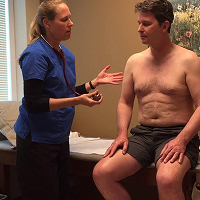
Step 2: Physical Examination and Health Assessment
Depending on your symptoms, a physical examination may help identify additional health concerns.
Your healthcare professional may assess blood pressure, weight, body composition, and other relevant health indicators.
Additional examinations may be recommended based on your age, symptoms, and medical history.
For example, someone experiencing persistent vaginal bleeding may require a gynecological evaluation before hormone therapy is considered.
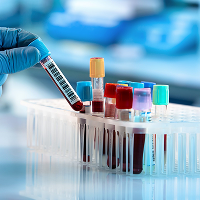
Step 3: Appropriate Laboratory Testing
Blood tests may be recommended when there is diagnostic uncertainty or a suspected hormonal disorder.
For otherwise healthy women aged 45 and older with typical menopausal symptoms, menopause can often be identified clinically without routine hormone testing. Hormone levels fluctuate during perimenopause, so an isolated result may not provide a complete picture.
For suspected male hypogonadism, testosterone testing should be performed appropriately and repeated to confirm consistently low levels.
Additional testing depends on the suspected underlying condition.
Step 4: Reviewing Treatment Options and Individual Health Risks
After evaluating symptoms, medical history, and relevant test results, your healthcare professional can discuss available treatment options.
These may include hormone therapy, nonhormonal medications, lifestyle adjustments, or treatment of an underlying medical condition.
The decision should consider your treatment goals, potential benefits, contraindications, and individual health risks.
Step 5: Monitoring Your Progress and Adjusting Treatment
If hormone replacement therapy is prescribed, follow-up appointments are important.
Your healthcare professional may assess whether symptoms are improving, whether side effects are occurring, and whether the treatment remains appropriate.
The dosage or formulation may need adjustment depending on your response and changing health circumstances.
Hormone therapy should be reviewed regularly rather than continued automatically without reassessment.
Benefits of Hormone Replacement Therapy When Medically Appropriate
For individuals with an appropriate medical indication, hormone replacement therapy can provide meaningful improvements in certain symptoms and health concerns.
However, the potential benefits depend on the hormone used, treatment method, age, health history, and underlying condition.
Relief From Menopausal Hot Flashes and Night Sweats
Systemic menopausal hormone therapy can significantly reduce hot flashes and night sweats.
For women experiencing frequent vasomotor symptoms, this improvement may make daily activities and nighttime rest more manageable.
Improved Vaginal Comfort and Sexual Health
Estrogen therapy, particularly local vaginal estrogen, can improve vaginal dryness and discomfort associated with menopause.
Treating these symptoms may make sexual activity more comfortable and improve overall quality of life.
Support for Bone Health
Estrogen helps regulate bone turnover. Menopause-related estrogen decline can accelerate bone loss.
Hormone therapy can help prevent bone loss in appropriately selected women, although other osteoporosis treatments may be more suitable depending on individual circumstances.
Improvement in Certain Symptoms of Testosterone Deficiency
For men with confirmed hypogonadism, testosterone replacement may improve sexual desire, increase lean body mass, and support bone health.
The extent of improvement varies, and not every symptom will necessarily respond to treatment.
Better Quality of Life Through Symptom Management
When bothersome symptoms improve, some individuals experience better sleep, increased comfort, and improved daily functioning.
However, hormone therapy is not a universal solution for fatigue, depression, weight gain, memory concerns, or general aging.
The purpose of treatment should be to address a clearly identified medical need rather than pursue broad anti-aging claims.
Potential Risks and Side Effects of Hormone Replacement Therapy
Although hormone replacement therapy can be beneficial, it is important to understand that it also carries potential risks.
The risks vary depending on the type of hormone, dosage, delivery method, duration of treatment, and personal medical history.
Common Side Effects
Some individuals may experience:
- Breast tenderness.
- Headaches.
- Bloating.
- Nausea.
- Temporary spotting or bleeding.
- Skin irritation from certain patches or topical products.
Some side effects may improve over time, while others may require adjustments to treatment.
Blood Clots and Stroke
Certain systemic hormone therapies can increase the risk of blood clots and stroke.
The level of risk depends on individual health factors and the method of administration. Oral estrogen and transdermal estrogen do not have identical risk profiles.
Breast and Endometrial Cancer Considerations
Combined estrogen-progestogen therapy is associated with an increased risk of breast cancer with certain regimens and durations.
Using systemic estrogen without appropriate progestogen in someone with an intact uterus can increase the risk of endometrial cancer.
This is why treatment selection and appropriate uterine protection are important.
Cardiovascular and Gallbladder Risks
Hormone therapy may affect the risk of certain cardiovascular and gallbladder conditions.
Age, existing health conditions, and the timing of treatment initiation can influence the overall risk profile.
Hormone therapy should not be started solely to prevent heart disease or dementia.
Who May Need to Avoid Certain Forms of Hormone Therapy?
Systemic menopausal hormone therapy is generally not recommended for individuals with certain medical histories, including:
- Certain breast or endometrial cancers.
- Previous stroke or heart attack.
- Current or previous blood clots, depending on the circumstances.
- Unexplained vaginal bleeding.
- Certain liver conditions.
These considerations require individual medical assessment. Some people may have alternative treatment options even when systemic hormones are unsuitable.
Is Bioidentical Hormone Replacement Therapy Better Than Traditional HRT?
Bioidentical hormone therapy is a frequently discussed topic among people exploring hormone treatment options.
Bioidentical hormones have the same molecular structure as hormones naturally produced by the human body. Some FDA-approved hormone medications contain bioidentical hormones, including certain forms of estradiol and progesterone.
However, the term bioidentical does not automatically mean that a product is safer, more effective, or free from side effects.
There is an important distinction between FDA-approved bioidentical hormone medications and custom-compounded hormone preparations.
Compounded products are individually prepared by pharmacies and are not FDA-approved. Their safety and effectiveness have not been established to be superior to approved hormone medications.
When considering hormone treatment, discuss the benefits, risks, quality, and regulatory status of the medication with a qualified healthcare professional.
The best treatment is not necessarily the newest or most heavily marketed option. It is the treatment supported by appropriate medical evidence and suited to your individual health needs.
Natural Ways to Support Hormonal Health Alongside Medical Treatment
Hormone replacement therapy is not the only consideration when addressing hormonal health. Healthy lifestyle habits can support overall well-being and may help manage certain symptoms.
Although lifestyle changes cannot replace medically necessary hormone treatment, they can complement an appropriate healthcare plan.
Maintain a Balanced and Nutrient-Rich Diet
A balanced diet provides nutrients that support bone health, muscle function, metabolism, and general well-being.
Include a variety of vegetables, fruits, whole grains, lean proteins, and healthy fats.
Calcium and vitamin D are particularly important for maintaining bone health, especially after menopause.
Avoid relying on restrictive diets or unverified supplements marketed as hormone-balancing solutions.
Prioritize Consistent Sleep
Adequate sleep supports physical recovery, emotional regulation, and metabolic health.
Try to maintain a consistent bedtime, create a comfortable sleeping environment, and limit activities that interfere with your sleep routine.
If hot flashes or night sweats repeatedly interrupt your sleep, discuss appropriate treatment options with a healthcare professional.
Incorporate Regular Physical Activity
Regular physical activity supports cardiovascular health, muscle strength, bone health, and emotional well-being.
A combination of aerobic exercise, resistance training, and appropriate weight-bearing activities can be beneficial.
Choose activities that match your fitness level and medical circumstances.
Manage Stress and Emotional Well-Being
Chronic stress can affect sleep, mood, and several hormonal systems.
Mindfulness, relaxation techniques, breathing exercises, and spending time on enjoyable activities may help support emotional well-being.
If anxiety or depression becomes persistent, professional mental health support may also be appropriate.
Avoid Smoking and Limit Alcohol Consumption
Smoking and excessive alcohol consumption can negatively affect overall health, including cardiovascular and bone health.
Reducing or avoiding these habits can support healthier aging and improve long-term health outcomes.
Frequently Asked Questions About Hormone Replacement Therapy
Q1. How Do I Know If I Need Hormone Replacement Therapy?
- You may benefit from a hormone evaluation if you experience persistent hot flashes, night sweats, vaginal dryness, sleep disturbances, reduced sexual desire, or other symptoms associated with hormonal changes.
Q2. At What Age Should Someone Consider Hormone Replacement Therapy?
- There is no single age at which everyone should start hormone replacement therapy.
Women commonly experience perimenopause during their 40s and reach menopause around age 51 on average. However, hormonal changes can occur earlier due to medical conditions or surgery.
For men, testosterone replacement is considered when symptoms and consistently low testosterone levels confirm hypogonadism, rather than simply based on age.
Q3. Can Hormone Replacement Therapy Help With Fatigue?
- HRT may help improve fatigue in some individuals when it is related to menopausal symptoms, particularly sleep disturbances caused by hot flashes and night sweats.
However, fatigue can have many other causes, including anemia, thyroid disorders, sleep problems, and nutritional deficiencies.
Identifying the underlying cause is important before considering treatment.
Q4. Does Hormone Replacement Therapy Help With Weight Loss?
- Hormone replacement therapy is not a weight-loss treatment.
Although hormonal changes can influence body composition and fat distribution, HRT should not be prescribed simply to reduce body weight.
A balanced diet, physical activity, adequate sleep, and appropriate medical care are important for managing weight.
Q5. How Long Does It Take for Hormone Replacement Therapy to Work?
- The time required to notice improvements depends on the type of hormone therapy, the symptoms being treated, and individual response.
Some people notice improvements in certain symptoms within weeks, while others may require several months of treatment adjustments.
Follow-up appointments help determine whether the treatment is working as expected.
Q6. Is Hormone Replacement Therapy Safe for Everyone?
- No. Hormone replacement therapy is not appropriate for everyone.
Certain medical conditions, including specific cancers, previous blood clots, stroke, heart attack, and liver disease, may make some forms of hormone therapy unsuitable.
A healthcare professional should review your medical and family history before treatment begins.
Q7. Can Men Also Benefit From Hormone Replacement Therapy?
- Yes. Men diagnosed with hypogonadism may benefit from testosterone replacement therapy.
Treatment may improve certain symptoms associated with confirmed testosterone deficiency, including reduced libido, decreased muscle mass, and low bone density.
However, testosterone therapy is not recommended for men who simply want to reverse normal aging or improve athletic performance without a confirmed medical indication.
Q8. What Happens If Hormonal Imbalance Is Left Untreated?
- The effects depend on the underlying condition.
For example, untreated estrogen deficiency associated with early menopause or premature ovarian insufficiency may contribute to bone loss and other health concerns.
Untreated male hypogonadism may contribute to reduced bone density, anemia, sexual health problems, and changes in body composition.
However, not every hormonal change requires medication. The appropriate approach depends on the underlying diagnosis and individual health risks.
Q9. Are There Alternatives to Hormone Replacement Therapy?
- Yes. Depending on your symptoms and medical history, alternatives may include nonhormonal prescription medications, vaginal moisturizers, lubricants, lifestyle adjustments, sleep management, and targeted treatment of underlying medical conditions.
A healthcare professional can help determine which options are appropriate.
Q10. Should I Get a Hormone Test Before Starting HRT?
- Testing depends on the suspected condition.
Women aged 45 and older with typical menopause symptoms often do not need routine hormone blood tests to establish a clinical diagnosis.
Men being evaluated for testosterone deficiency generally require appropriate morning blood testing, with repeat measurements to confirm consistently low levels.
Other tests may be recommended when symptoms suggest thyroid problems or another hormonal condition.
Take Control of Your Hormonal Health With Arizona Naturopathic Medicine
At Arizona Naturopathic Medicine, understanding individual health concerns and exploring appropriate treatment options are important parts of making informed wellness decisions. Discussing your symptoms, medical history, and available treatment options can help you better understand the next steps in managing your health.
Hormone replacement therapy may be appropriate for certain individuals, but it is not a one-size-fits-all solution. The right approach should always consider medical evidence, individual health risks, and personal treatment goals.
