








Skin Lesion Removal in Tempe, AZ: Safe & Effective Treatment
Your skin is the largest organ in your body, and it works around the clock to protect you from the outside world. Bumps, growths, discolored patches, and small skin tags are incredibly common, and while most are harmless, they can still be a source of frustration, self-consciousness, or genuine medical concern. At Arizona Naturopathic Medicine, we help patients throughout the Tempe area understand what is happening with their skin and offer safe, thoughtful, and minimally invasive options for skin lesion removal. We will walk you through everything you need to know about skin lesions removal services in Tempe, AZ, the different types you might encounter, how skin tags form, and what your removal options look like when you choose a naturopathic approach to your care.
Understanding Skin Lesions: What Are They, Exactly?
The term “skin lesion” sounds clinical, but it simply refers to any area of skin that looks or feels different from the skin around it. A lesion could be a mole you have had since childhood, a new patch of dry, scaly skin, a blister from an injury, or a small growth that appeared seemingly overnight. Some lesions are present from birth, while others develop gradually over the years due to sun exposure, aging, friction, hormonal shifts, or underlying health conditions.
Not all skin lesions are the same, and understanding the differences can help you know when a growth is simply a cosmetic nuisance and when it deserves a closer look from a qualified provider. Dermatological classification generally separates lesions into two broad categories: primary and secondary. Knowing which category your skin concern falls into is often the first step toward finding the right treatment path.
Why Skin Lesions Deserve Attention, Not Panic
It is easy to feel anxious the moment you notice something unusual on your skin, but the truth is that the overwhelming majority of skin lesions are benign, meaning they are not cancerous and pose no serious threat to your health. Still, paying attention to changes in size, shape, color, or texture is a smart habit, because it allows you and your provider to catch anything that might need further evaluation early. A calm, informed approach, paired with regular skin checks, is one of the best things you can do for your long-term skin health.
Types of Skin Lesions: Primary and Secondary Classifications
When healthcare providers talk about the types of skin lesions, they are usually referring to a standardized system used to describe how a lesion looks, feels, and behaves. This system helps providers communicate clearly about what they are seeing and helps guide the appropriate next steps.
Primary Skin Lesions
Primary skin lesions are changes that appear on skin that was previously normal. These are considered the “original” lesions, meaning they have not been altered by scratching, infection, or the natural healing process. Common examples of primary skin lesions include:
- Macules – Flat, discolored spots on the skin, such as freckles or flat moles, that are not raised above the surrounding skin.
- Papules – Small, raised bumps, often less than a centimeter wide, which can result from anything from acne to insect bites.
- Plaques – Larger, raised, flat-topped areas, frequently seen in conditions like psoriasis.
- Nodules – Firm, raised bumps that extend deeper into the skin than papules.
- Vesicles and bullae – Small or large fluid-filled blisters.
- Pustules – Bumps filled with pus, often associated with acne or infection.
- Wheals – Raised, itchy areas often caused by an allergic reaction, such as hives.
- Skin tags – Small, soft, flesh-colored growths that hang off the skin, typically found in areas of friction.
Secondary Skin Lesions
Secondary skin lesions develop as a result of changes to a primary lesion, whether through natural progression, scratching, infection, or the body’s healing response. These include things like scaling, crusting, scarring, ulceration, or thickened patches of skin that form after an initial injury or irritation. Understanding whether you are dealing with a primary or secondary lesion helps a provider determine whether the issue is something new or something that has evolved from an earlier skin concern.
Recognizing these categories is not about self-diagnosing your way to a conclusion. Rather, it gives you a helpful vocabulary to describe what you are experiencing when you sit down with your provider, which leads to a more productive and efficient evaluation.
Common Skin Lesions on the Face and Why They Happen
Skin lesions on the face tend to draw the most attention, simply because the face is rarely covered by clothing and is the part of the body most people notice first, both in themselves and in others. Facial skin is also thinner and more frequently exposed to the sun, which makes it particularly prone to certain kinds of growths and discoloration.
Some of the most common facial lesions include:
- Seborrheic keratoses – Waxy, “stuck-on” looking growths that tend to appear with age.
- Milia – Tiny, white, cyst-like bumps often seen around the eyes and cheeks.
- Sunspots or age spots – Flat, brown discolorations caused by cumulative sun exposure.
- Cherry angiomas – Small, bright red bumps caused by clusters of blood vessels.
- Skin tags – Frequently found along the eyelids, jawline, and neck due to friction from clothing, jewelry, or simply the natural folds of the skin.
- Moles (nevi) – Pigmented spots that can be flat or raised and vary in color from light brown to black.
Because facial skin is delicate and highly visible, patients are often more motivated to seek removal for cosmetic reasons, even when a lesion is not medically concerning. This is completely understandable. Feeling comfortable and confident in your own skin matters, and a naturopathic approach to lesion removal respects both the medical and the personal, emotional side of that decision.
Keeping Track of Lesions on Skin Over Time
One of the simplest and most valuable habits you can build is periodically checking your skin for new or changing lesions on skin, particularly in areas that are harder to see without a mirror, such as your back, scalp, and the backs of your legs. Taking a photo every few months can be a helpful, low-effort way to track whether a spot is evolving. This is not about creating anxiety around every freckle or bump; it is simply about staying familiar with your own skin so that if something does change, you notice it quickly. Many patients find that once they understand the general categories of lesions, from harmless age-related growths to friction-related skin tags, self-monitoring becomes far less stressful and far more manageable.
What Exactly Is a Skin Tag?
Among the many types of skin lesions, skin tags are probably the most universally recognized and the most commonly requested for removal. A skin tag, medically known as an acrochordon, is a small, soft, benign growth that hangs off the skin, usually connected by a thin stalk called a peduncle. Skin tags are typically flesh-colored or slightly darker and range from the size of a grain of rice to, in rare cases, the size of a grape.
Skin tags most often develop in areas where skin rubs against skin or clothing, which is why they are frequently found:
- Around the neck
- Under the arms
- In the groin folds
- Beneath the breasts
- On the eyelids
- Along the waistline where clothing creates friction
While skin tags are harmless, they can become irritated, catch on jewelry or clothing, or simply become a cosmetic concern that patients would prefer to be rid of.
What Causes Skin Tags to Form?
There is no single cause of skin tags, but several factors are commonly associated with their development:
- Friction – Repeated skin-on-skin or skin-on-fabric rubbing is one of the most significant contributors.
- Genetics – A family history of skin tags increases the likelihood of developing them yourself.
- Hormonal changes – Pregnancy and fluctuating hormone levels are frequently linked to new skin tag growth.
- Weight and metabolic factors – Skin tags are more common in individuals who carry additional weight, particularly around areas of skin folds, and have been associated with insulin resistance in some studies.
- Age – Skin tags become increasingly common as people move into midlife and beyond.
Because hormonal balance and metabolic health can play a role in skin tag formation, addressing the root cause, not just the visible growth, is central to the naturopathic philosophy of care.
How to Remove Skin Tags: Understanding Your Options
If you are dealing with a bothersome skin tag, you likely want to know how to remove skin tags safely and effectively. There are several approaches available, ranging from at-home methods to professional, in-office procedures. Each comes with its own set of considerations.
Professional, In-Office Removal
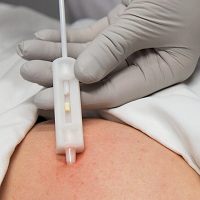
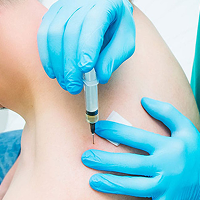
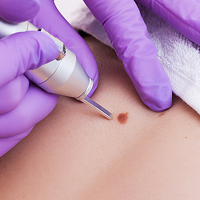
Professional skin tag removal, performed by a trained provider, offers a level of precision, safety, and confidence that at-home methods simply cannot match. In a clinical setting, your provider can first confirm that the growth is, in fact, a skin tag and not another type of lesion that may need a different approach. From there, removal is typically quick, well-tolerated, and performed using one of several methods depending on the size, location, and number of tags being addressed:
- Snipping or excision – Careful removal using sterile surgical scissors or a scalpel.
- Cryotherapy – Freezing the tag with liquid nitrogen so it naturally falls off within days.
- Electrocautery – Using a small electrical current to remove the tag and seal the area simultaneously, which can also reduce bleeding.
- Ligation – Tying off the base of the tag to cut off its blood supply, similar in principle to at-home kits but performed with greater precision and sterile technique.
Because these procedures are performed by a qualified provider, discomfort is minimal, healing time is generally short, and the risk of infection or scarring is significantly lower compared to self-treatment.
Why Choose a Naturopathic Approach for Skin Lesion Removal
Traditional dermatology and naturopathic medicine share the common goal of helping you achieve healthy, clear skin, but a naturopathic approach adds an important dimension: it looks beyond the surface of the skin to understand what might be contributing to lesion formation in the first place. Rather than viewing a skin tag or lesion as an isolated cosmetic issue, naturopathic providers consider it in the context of your whole-body health.
This does not mean skipping effective, evidence-informed removal techniques. It means pairing safe, professional removal with a broader conversation about what your skin might be telling you, whether that involves hormonal balance, blood sugar regulation, nutritional status, or simply genetics and aging.
The Foundational Principles That Guide Our Care
At Arizona Naturopathic Medicine, every treatment we provide, including skin lesion removal, is guided by a set of core naturopathic principles that shape how we practice medicine.
The Healing Power of Nature (Vis medicatrix naturae) We recognize that the body has a remarkable, built-in capacity to heal itself. Our role is to support and facilitate that natural healing process, rather than override it unnecessarily.
Identify and Treat the Causes (Tolle causam) Rather than simply removing a visible growth and calling the job finished, we take time to consider what might be contributing to its development, whether that is friction, hormonal imbalance, or another underlying factor.
First, Do No Harm (Primum non nocere) We always choose the least invasive, least toxic option appropriate for your specific situation. When it comes to skin lesion removal, this means selecting the gentlest effective method rather than defaulting to the most aggressive one.
Prevention (Praeventionis) We believe in helping you understand what you can do moving forward to reduce the likelihood of new lesions forming, supporting your long-term skin and overall health.
Doctor as Teacher (Docere) We want you to leave every visit with a clearer understanding of your own skin and body. Education is central to how we practice, and we take the time to explain what we are seeing and why.
Treat the Whole Person (Tolle totum) Your skin does not exist in isolation from the rest of your body. We consider your nutrition, lifestyle, hormones, family history, and overall wellbeing as part of your care, not just the lesion in front of us.
This whole-person philosophy is what sets a naturopathic approach apart, and it is central to how we care for every patient who comes to us with a skin concern.
The Connection Between Internal Health and Skin Lesions
It is worth pausing on just how closely your skin reflects what is happening inside your body. Blood sugar regulation, hormone levels, nutrient status, and even stress can all influence how your skin behaves, including how prone you may be to developing new skin tags or other primary skin lesions over time. For example, research has repeatedly pointed to a connection between insulin resistance and an increased number of skin tags, which is one reason a thorough naturopathic evaluation may include a conversation about diet, metabolic health, and lifestyle alongside any discussion of removal.
What to Expect During Your Visit to Arizona Naturopathic Medicine
We understand that seeking care for a skin lesion, whether it is a cosmetic annoyance or a source of genuine worry, can feel a little intimidating if you are not sure what to expect. Here is a general overview of how a visit typically unfolds.
A Thorough Skin Evaluation
Your visit begins with a careful, unhurried evaluation of the lesion or lesions in question. We will ask about how long the growth has been present, whether it has changed in size, shape, or color, and whether it causes any discomfort, itching, or bleeding. This conversation helps us understand the full picture before moving forward with any recommendations.
A Personalized Removal Plan
Once we have a clear understanding of what we are dealing with, we will discuss the most appropriate removal method for your specific lesion, taking into account its size, location, and your personal preferences. We will walk you through what the procedure involves, how long it typically takes, and what recovery looks like.
Attention to Comfort
We know that even minor procedures can feel nerve-wracking. Our team takes time to explain each step, answer your questions, and ensure you feel comfortable throughout the process.
A Conversation About the Bigger Picture
Because we practice from a whole-person perspective, we may also discuss lifestyle, hormonal, or metabolic factors that could be relevant to your skin health, particularly if you are prone to developing multiple skin tags or other recurring lesions over time.
Caring for Your Skin After Lesion Removal
Proper aftercare plays an important role in ensuring your skin heals cleanly and comfortably following a removal procedure. While specific instructions will vary depending on the method used, some general guidelines apply across most cases:
- Keep the treated area clean and dry for the first day or two.
- Avoid picking at any scab or crust that forms, as this can increase the risk of scarring.
- Protect the area from direct sun exposure while it heals.
- Watch for signs of infection, such as increasing redness, warmth, swelling, or discharge, and reach out to your provider if these occur.
- Follow any specific aftercare instructions provided by your practitioner for the particular removal method used.
Most patients find that healing is quick and uneventful, particularly when removal is performed by an experienced provider using appropriate technique for the type and location of the lesion.
When a Skin Lesion Needs a Closer Look
While the majority of skin lesions on the face, including skin tags, moles, and other common growths, are entirely benign, it is important to know the general signs that a lesion may warrant closer medical evaluation. These include:
- Rapid changes in size, shape, or color
- Irregular or asymmetrical borders
- Multiple colors within a single lesion
- A lesion larger than the size of a pencil eraser
- Bleeding, itching, or pain without an obvious cause
- A sore or lesion that does not heal within a few weeks
If you notice any of these characteristics, it is always worth having the area evaluated by a qualified provider before pursuing any removal method, whether professional or at-home. Early evaluation is simply good practice and provides peace of mind either way.
FAQs About Skin Lesions Removal Services
Q: Is skin tag removal painful?
A: Most professional removal methods involve minimal discomfort. Depending on the technique and location, some patients may feel a brief pinch or cold sensation, but significant pain is uncommon.
Q: Can skin tags come back after removal?
A: The specific skin tag that is removed will not grow back, but because friction, genetics, and hormonal factors contribute to their formation, new skin tags can develop elsewhere over time.
Q: Are skin tag removal kits safe to use at home?
A: At-home kits can work for very small, clearly identified skin tags in accessible, non-sensitive areas, but they carry a higher risk of irritation, incomplete removal, or misdiagnosis compared to professional care, particularly for lesions on the face or in delicate areas.
Q: How long does healing take after professional removal?
A: Healing time varies by method and lesion size but generally ranges from a few days to a couple of weeks for the treated area to fully close and settle.
Q: Will removal leave a scar?
A: When performed correctly by an experienced provider, most removal methods result in minimal to no visible scarring, particularly for small, superficial lesions like skin tags.
Q: How do I know if a growth is a skin tag or something else?
A: This is exactly why a professional evaluation matters. Many types of skin lesions on face can look similar to the untrained eye, and a qualified provider can confirm what you are dealing with before any removal is performed.
Meet Dr. Don Selvey, NMD, MS
Your skin health is personal, and we believe you deserve care from a provider who takes the time to understand your full health picture. Dr. Don Selvey, NMD, MS, leads care at Arizona Naturopathic Medicine with a background shaped by years of clinical experience across several areas of medicine.
Dr. Selvey earned both his undergraduate and graduate degrees from Arizona State University before going on to graduate from the Sonoran University of Health Sciences. He began his career practicing as a pain management provider and primary care doctor, giving him a strong clinical foundation across a wide range of patient needs. He later pursued additional training in hormone therapy, an area of specialization that continues to shape his approach to patient care today.
Dr. Selvey’s practice now centers on hormone replacement therapy, weight loss, and anti-aging medicine, areas that are closely connected to skin health in ways many patients do not initially realize. Hormonal balance, metabolic function, and healthy aging all play a role in how your skin looks and behaves, including the development of skin tags and other common lesions. This background allows Dr. Selvey to bring a genuinely whole-person perspective to something as seemingly simple as skin lesion removal.
Why Tempe Residents Choose Arizona Naturopathic Medicine
Choosing where to seek care for a skin concern is a personal decision, and we know patients in Tempe have options. Here is what sets our approach apart:
A Whole-Person Philosophy We do not simply remove a lesion and send you on your way. We consider what your skin might be telling us about your broader health and offer guidance accordingly.
Experienced, Thoughtful Care With a clinical background spanning primary care, pain management, and hormone therapy, Dr. Selvey brings a depth of experience to every patient interaction.
A Focus on the Least Invasive Effective Option In keeping with naturopathic principles, we choose removal methods that are effective while minimizing unnecessary discomfort or risk.
Education-Centered Visits We want you to understand your own skin and health, not just leave with a growth removed. Every visit includes time for your questions.
A Welcoming, Local Practice As a naturopathic practice serving Tempe and the surrounding area, we are proud to offer accessible, personalized care to our community.
Take the Next Step Toward Clearer, Healthier Skin
Skin lesions on face and skin tags are an incredibly common part of life, but that does not mean you need to live with the ones that bother you, nor should you feel unsure about which growths are simply cosmetic and which deserve a closer look. Whether you are dealing with a single stubborn skin tag, multiple lesions on your face, or you simply want a professional opinion on a spot you have been keeping an eye on, Arizona Naturopathic Medicine is here to help.
Our approach combines safe, effective removal techniques with a genuine commitment to understanding your whole health picture, guided by the naturopathic principles of treating the cause, doing no harm, and supporting your body’s natural ability to heal. If you are in Tempe, AZ, and ready to address a skin lesion or skin tag with a provider who takes the time to truly listen, we invite you to schedule a consultation with Dr. Don Selvey and the team at Arizona Naturopathic Medicine.