











Trigger Point Injections in Tempe, AZ: Targeted Relief for Stubborn Muscle Pain
If you have a tight knot in your neck, shoulder, or lower back that never seems to go away, you are far from alone. Muscle pain is one of the most common reasons people visit a healthcare provider, and it often lingers despite stretching, massage, rest, and over-the-counter pain relievers. For many patients, the problem is not the whole muscle. It is a small, irritable spot within it called a trigger point. At Arizona Naturopathic Medicine, we offer trigger point injections as a focused, in-office treatment to help release these painful knots and get you moving comfortably again.
What Are Trigger Point Injections?
Trigger point injections (TPIs) are a procedure in which a physician uses a very fine needle to deliver medication directly into a painful trigger point, a tight band of muscle that has become knotted and hypersensitive. These points can cause local pain and also “refer” discomfort to other areas. A knot in the upper shoulder, for example, may contribute to tension headaches or pain down the arm.
The injection usually contains a local anesthetic such as lidocaine, which helps the muscle relax and interrupts the pain cycle. Depending on your situation, your physician may choose a different solution or, in some cases, a needle-only technique. The goal is to release the knot, restore normal muscle function, and reduce pain.
It is also worth noting what trigger point injections are not. They are not a cure-all for every type of pain, and they are not a replacement for addressing why the knots formed. They work best as one part of a broader plan that includes movement, posture, and lifestyle support.
Why Choose a Naturopathic Approach to Trigger Point Therapy in Tempe
Tempe residents have plenty of options for pain care, from urgent care visits to pain management clinics to massage studios. Many patients find themselves cycling through short-term fixes that never address why their muscles keep tightening.
Naturopathic medicine is built on looking for the root cause rather than only masking symptoms. With trigger points, that means we do not simply inject and send you home. We ask why the muscle became irritated in the first place. Is it posture from long hours at a desk? Repetitive strain from work or sports? Chronic stress that keeps your shoulders tense? Nutrient deficiencies, poor sleep, or a hormonal imbalance that slows muscle recovery?
By combining targeted injections with a thoughtful look at the bigger picture, we aim to give you relief now and help reduce the chance the pain returns.
Meet the Standard: Licensed, Trained, and Experienced Providers
Injections should only be performed by properly trained clinicians. Naturopathic physicians (NDs) complete four years of graduate-level medical education, studying anatomy, physiology, pharmacology, and clinical diagnosis alongside training in nutrition and lifestyle medicine. That foundation matters when locating trigger points accurately and choosing the right approach for each patient.
At Arizona Naturopathic Medicine, we explain every step of your care, including what we recommend, why we recommend it, and what results are realistic, so you can make an informed decision about your treatment.
Conditions and Areas Commonly Treated
Trigger points can develop almost anywhere there is muscle. Below are some of the most common concerns we see in our Tempe patients.
Neck and Shoulder Pain
Long hours at a computer, looking down at a phone, or driving can overload the upper trapezius and neck muscles, creating painful knots and stiffness.
Tension Headaches
Trigger points in the neck, shoulders, and base of the skull can contribute to headaches that feel like a tight band around the head.
Lower Back Pain
Knots in the lower back and gluteal muscles may cause aching, tightness, and limited mobility, especially after prolonged sitting or lifting.
Myofascial Pain Syndrome
This chronic condition involves multiple trigger points and persistent muscle pain, and it often responds best to a combined treatment plan.
Sports and Overuse Injuries
Runners, golfers, cyclists, and weekend athletes frequently develop trigger points from repetitive movement or muscle overload.
Jaw and Facial Muscle Tension
Tightness in the muscles around the jaw can contribute to discomfort and headaches for some patients.
Common Mistakes People Make Before Seeking Trigger Point Treatment
Many patients have tried a long list of strategies before finding their way to injections. Recognizing these patterns can help explain why relief has been temporary.
Stretching only the sore spot. Trigger points often refer pain elsewhere, and the true source may be a different muscle than the one that hurts.
Relying on painkillers alone. Over-the-counter medication may dull discomfort, but it does not release a muscle knot or fix the cause.
Pushing through the pain. Ignoring persistent tightness can lead to compensation patterns that create new problems in other areas.
Skipping an evaluation. Without a proper exam, it is difficult to tell whether pain comes from a muscle knot, a nerve issue, a joint problem, or something else.
Ignoring posture, sleep, and stress. These everyday factors quietly keep muscles tense and can bring trigger points back after treatment.
A Thorough Evaluation: The Foundation of Effective Treatment
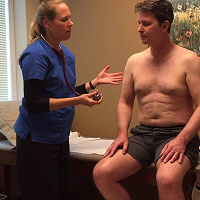
Before any injection, your physician begins with a careful assessment. Depending on your health history and symptoms, this may include:
- A detailed history of when your pain started, what makes it better or worse, and what you have already tried
- A physical exam to locate trigger points, check range of motion, and assess posture and movement
- A review of medications and health conditions, including blood thinners, allergies, and bleeding disorders
- Lab testing, when appropriate, to look for contributing factors such as nutrient deficiencies or inflammation
- Referral for imaging or further evaluation if your symptoms suggest something other than a muscle-related problem
This evaluation helps determine whether trigger point injections are safe and appropriate for you.
The Trigger Point Injection Procedure: Step by Step
Many patients feel nervous before their first injection. Knowing what to expect can help. The procedure is typically quick, often completed within minutes.
Preparation: You are positioned comfortably, and your physician locates the trigger point by feeling for the tight, tender band of muscle. The skin is cleaned with an antiseptic.
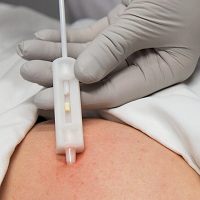
Injection: A thin, sterile needle is inserted into the trigger point. You may feel a brief ache, a twitch, or a “jump” in the muscle as it releases. This is a common and expected response.
Medication delivery: A small amount of solution is delivered into the area. If several trigger points are present, your physician may treat more than one during the same visit.
Aftercare: The needle is removed, a small bandage is applied, and your physician reviews aftercare instructions. Many patients can return to normal daily activities the same day.
Benefits of Trigger Point Injections
When used appropriately, trigger point injections offer several advantages:
- Targeted relief delivered directly to the source of pain rather than to the whole body
- Fast onset because many patients notice improvement within minutes to days
- Improved range of motion as tight muscle bands release
- Reduced reliance on oral pain medication for some patients
- A quick, in-office procedure with little to no downtime for most people
- A complement to other therapies such as stretching, physical therapy, and lifestyle changes
Results vary from person to person, and some patients need more than one session for lasting improvement.
Risks and Side Effects to Understand
Trigger point injections are generally considered safe when performed by a trained provider, but like any procedure they carry some risks. Your physician will review these with you beforehand.
Common and mild:
- Soreness or tenderness at the injection site for a day or two
- Minor bruising or bleeding
- Temporary numbness from the local anesthetic
- Lightheadedness or feeling faint, particularly in people sensitive to needles
Less common:
- Infection at the injection site
- Allergic reaction to a medication or antiseptic
- Skin changes or dimpling if certain medications are used
- Temporary nerve irritation
Rare:
- Puncture of the lung (pneumothorax) when injecting muscles near the chest or upper back, which is one reason technique and experience matter
- Injury to a nearby nerve or blood vessel
Contact our office or seek medical care right away if you develop fever, spreading redness, significant swelling, severe or worsening pain, shortness of breath, or chest pain after an injection.
Recovery and Aftercare: What to Expect
Recovery from trigger point injections is usually straightforward.
The first 24 to 48 hours: Mild soreness is normal and often feels similar to a workout ache. Applying ice or gentle heat, as recommended by your physician, may help.
Activity: Light movement and gentle stretching are usually encouraged. Your physician may suggest avoiding strenuous exercise or heavy lifting for a day or two.
Relief timeline: Some patients feel relief right away, though part of this may be the numbing effect of the anesthetic. Longer-lasting improvement typically develops over the following days as the muscle relaxes.
Follow-up: Depending on your response, your physician may recommend additional sessions, stretching routines, posture changes, or complementary therapies to help maintain results.
Prevention: Addressing ergonomics, hydration, sleep, stress, and regular movement can help keep trigger points from returning.
Who Is a Good Candidate for Trigger Point Injections?
Trigger point injections may be a good fit for patients who:
- Have localized muscle pain or palpable knots that have not improved with rest or home care
- Experience chronic neck, shoulder, or back pain
- Have tension-type headaches linked to muscle tightness
- Want a targeted, non-surgical option for muscle pain
- Are looking for a physician-guided plan that addresses causes and not only symptoms
Trigger point injections may not be appropriate for people who have an active infection, are allergic to the medications used, take blood thinners or have a bleeding disorder, or are pregnant without physician clearance. The best way to find out whether this treatment is right for you is to schedule a consultation.
FAQs About Trigger Point Injections in Tempe
Q: Do trigger point injections hurt?
A: Most patients describe brief discomfort or a muscle twitch during the injection, followed by some soreness afterward. The procedure is quick, and the local anesthetic helps make it tolerable.
Q: How long do the results last?
A: This varies. Some patients enjoy relief for weeks or longer, while others need a series of treatments. Addressing posture, stress, and movement habits can help extend results.
Q: How many injections will I need?
A: It depends on how many trigger points you have and how your body responds. Your physician will build a plan after your evaluation.
Q: Can I go back to work after treatment?
A: Most people return to normal daily activities the same day, though your physician may recommend avoiding strenuous activity for a short period.
Q: Are trigger point injections safe?
A: When performed by a trained physician after a proper evaluation, they are generally considered safe. As with any procedure, there are risks, which your provider will discuss with you in advance.
Q: Do you accept insurance?
A: We do not accept medical insurance, and payment is due at the time of service.
Find Relief with Trigger Point Injections in Tempe, AZ
Living with constant muscle tension shouldn’t be your normal. Trigger point injections offer a targeted way to release painful knots, improve movement, and support your body’s natural recovery. At Arizona Naturopathic Medicine, we pair this treatment with a root-cause approach so your relief is not just temporary.
If you are ready to explore trigger point injections in Tempe or learn more about our pain relief services, we invite you to schedule a consultation with our team.
Ready to take the next step?
Let’s work together to help you look, feel and live your best
- Personalized Care
- Natural Solutions
- Real Results